What SCALE & WHICH MANUFACTURER?
|
Ancient & Early Medieval Naval Miniatures: Scales, Manufacturers, and Options
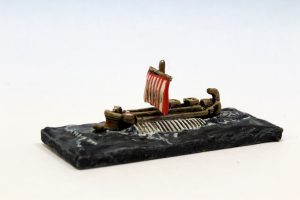
Ancient naval warfare is one of the most visually impressive and tactically fascinating periods to wargame—and thanks to the scale and simplicity of ancient ships, it’s also relatively inexpensive to get started. Whether you want to recreate the clash of empires at Salamis, coastal raids by Sea Peoples, or Viking ship duels, there’s a growing selection of miniature ranges available in multiple scales. Choosing the Right Scale for Ancient Naval Battles There are three main scales used in ancient and early medieval naval gaming: ⚓ 1/2400 Scale – Fleet-Level Battles Made EasyThis is ideal for recreating large-scale engagements such as Salamis, Actium, or the Battle of Lade. At this scale, you can field hundreds of vessels on a reasonably sized table without sacrificing tactical nuance. - Affordable and compact: Ships are small and fast to paint. - Best suited for ‘big battle’ rules: Like Poseidon’s Warriors from Osprey. - Top Picks: Tumbling Dice and Irregular Miniatures both offer solid ranges of 1/2400 galleys, triremes, and biremes. ⚓ 1/1200 Scale – The Sweet Spot for Detail and PlayabilityArguably the most popular scale for ancient naval, 1/1200 ships offer a good balance between visual appeal and tabletop usability. They are still small enough to manage a dozen ships per side, but large enough to appreciate detail and model variations. - Highly detailed miniatures: More attractive individually than smaller scales. - Great for small-to-medium engagements: 10–30 ships per side. - Popular with collectors and painters. - Top Pick: Langton Miniatures — renowned for producing the finest 1/1200 ancient ships on the market. Irregular Miniatures also produce a 1/1200 range, including Dark Age and Medieval naval packs, great for Viking raids or Saxon ship fights. ⚓ 1/300 Scale (and 10–15mm Options) – Boarding Actions and Land-Sea IntegrationLess common, but ideal for hybrid land-and-sea battles, beach assaults, or ship boarding scenarios. These larger models allow for dramatic skirmish action where individual marines, ramps, or cargo loads matter. - Best for combined arms battles: Ports, shoals, beaches, amphibious raids. - Useful for RPG-style scenarios or detailed skirmish games. - Some 15mm options available, but they’re larger, more expensive, and better suited for display or diorama play. Terrain ConsiderationsAncient naval battles often took place near coastlines, river mouths, or within harbours. To enhance immersion: - Include shoals, sandbanks, reefs, and islands. - Coastal terrain (towns, forts, docks) adds realism and opens up siege or amphibious scenario options. - Consider modular coastline tiles or laser-cut MDF harbours for flexibility. Our Current Setup & RecommendationsWe’re currently experimenting with: - 1/2400 scale ships from Tumbling Dice and Irregular Miniatures - Using Osprey’s “Poseidon’s Warriors” ruleset for large fleet actions Early impressions are promising, especially for representing mass formations. We’ll share battle reports and photos soon. Honourable Mentions- Langton Miniatures – unmatched in 1/1200 quality, with detail that makes each ship a centrepiece. - Irregular Miniatures – versatile ranges in multiple scales including 1/1200, 1/2400, and Medieval variants. - Navwar (occasionally available) – once offered historical galleys in multiple scales. - Skytrex – mostly for later periods, but worth watching. Final Thoughts Ancient naval doesn’t need to be expensive—or overwhelming. Start with a dozen ships per side and grow from there. Whether you're playing Etruscans vs Greeks, Carthaginians vs Romans, or Vikings vs Normans, there's a scale and range for every style. Got a favourite ship manufacturer or a photo of your own fleet? Let us know—this sea journey is just beginning. |